
Celery
Celery is often hidden in many foods, which led to it being mandatory in 2014 on food labels as part of the 14 regulated allergens.
 Types of Food Allergies | Allergy UK | National Charity
 Helpline01322 619898
Food allergy can be caused by a surprisingly wide range of foods. While some allergens are much more common than others, any food has the potential to cause an allergic reaction.
You may already be familiar with some of the more widely known food allergens, such as milk, egg, peanut, tree nuts, sesame, fish, shellfish, soya and wheat. These foods, along with other regulated allergens, are important to be aware of when shopping, cooking or eating away from home.
But food allergy doesn’t stop at the foods you might expect. Some people can have an allergic reaction to individual fruits or vegetables, different types of seeds or grains, or less common ingredients used in everyday foods. Allergies can also develop at different stages of life, so a food that has previously been eaten without a problem may not always remain trouble-free.
Explore our food allergy information to learn more about individual allergens, symptoms, diagnosis and managing food allergy safely.
Celery is often hidden in many foods, which led to it being mandatory in 2014 on food labels as part of the 14 regulated allergens.

IgE-mediated egg allergy is one of the most common food allergies in infants and young children, affecting around 2 in 100 children in the UK.
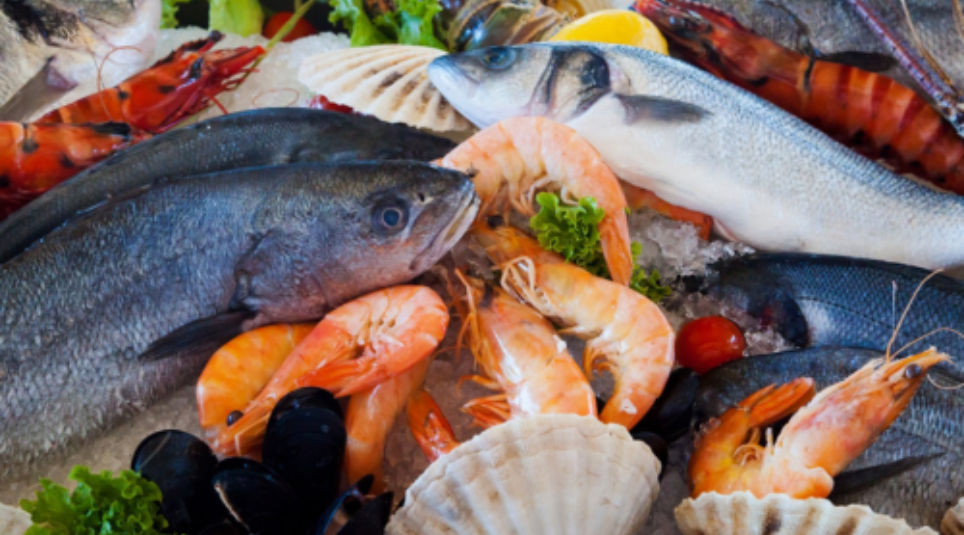
Seafood is used as a collective term that includes both fish and shellfish. Shellfish is further divided into crustaceans or molluscs.

People commonly report a mixture of symptoms in response to eating wheat, including abdominal pain, altered bowel habit, bloating, nausea and reflux.
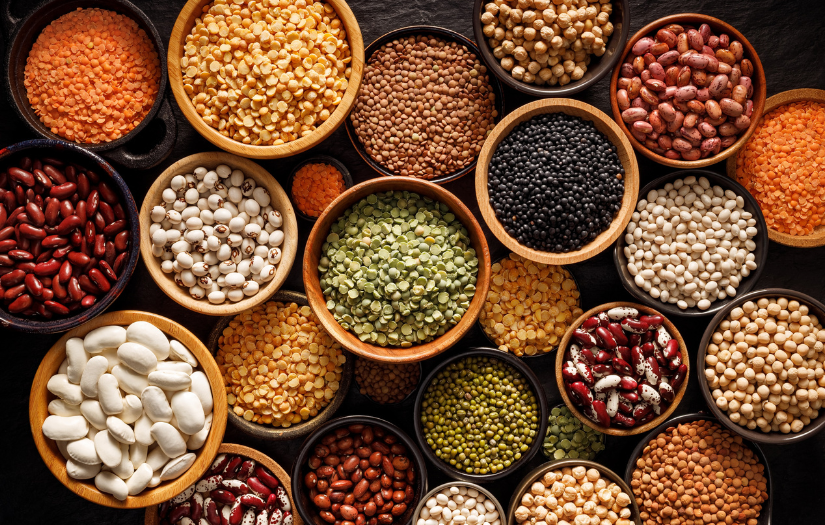
Legumes is a term used to describe a very broad group that includes beans, lentils, pulses, peas, lupin, fenugreek, soya, and peanut.
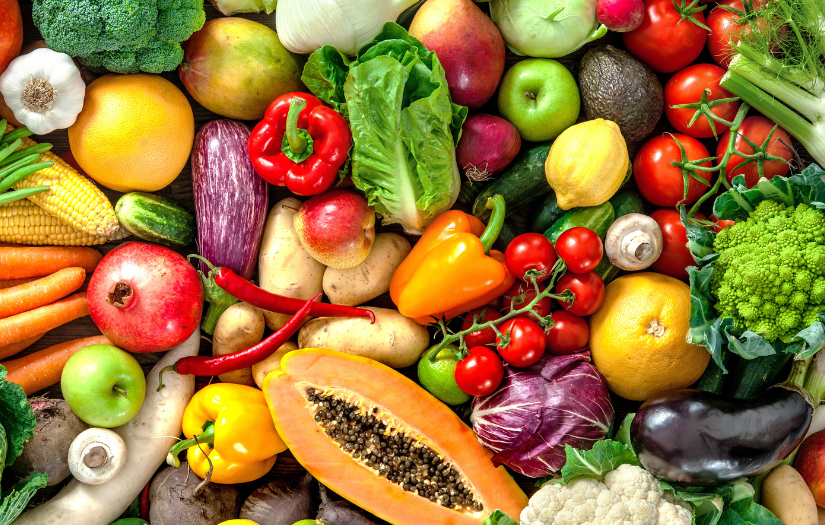
Lipid transfer proteins are proteins found in plant based foods including fruit, vegetables, nuts and cereals and they are designed to protect the plant.

The sudden development of an allergy to cow’s milk as an adult can happen but is very rare and as a result there has been little research carried out about it and why it might occur.

Cows’ milk allergy, is one of the most common childhood food allergies and it is estimated to affect around 7% of babies under one, though most children grow out of it.

Mustard can sometimes be a hidden ingredient, making vigilance essential when food shopping and eating out.
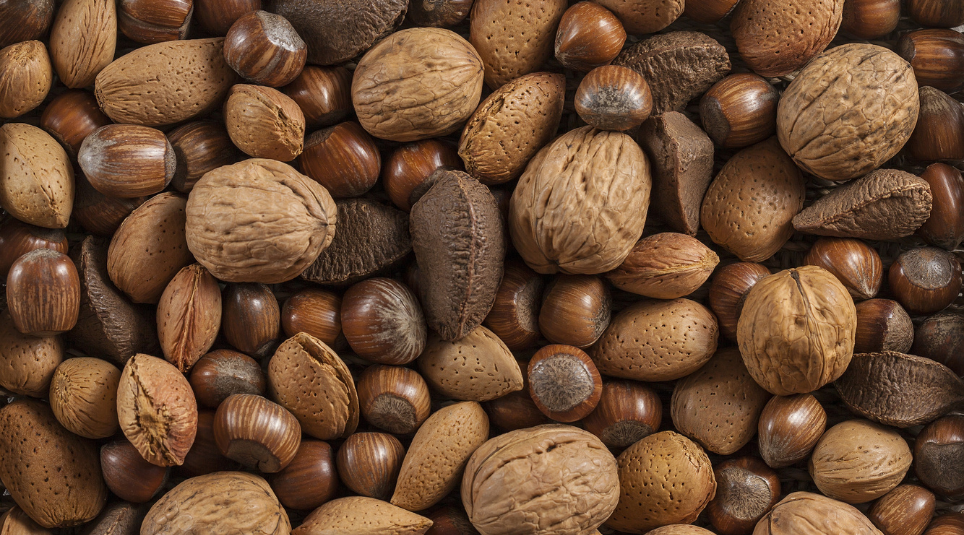
Tree nut allergy most often develops before the age of 5, but it can also appear later in childhood or adulthood. It is uncommon to outgrow a tree nut allergy.

More recently, pea protein and pea fibre have become common additives in food as they can be a protein source, fat replacement or help to bind water.

Peanut allergy affects around 2% (1 in 50) of children in the UK and has been increasing in recent decades. Peanut allergy tends to be persistent and only approximately 1 in 5 children outgrow their allergy, usually by the age of 10.

Pollen food syndrome, commonly referred to as oral allergy syndrome, is a hypersensitivity reaction to fruits, vegetables and nuts usually causing mild irritant symptoms when eaten in their raw form.

Sesame seed allergy is not new but it has become increasingly common and now is one of the top 10 causes of food allergies.

Soya is widely used in foods and is difficult to avoid. As many as 60% of manufactured foods contain soya. Soy comes from soybeans and immature soybeans are called edamame beans.

Sulphites are preservatives used to prevent spoilage, discolouration and bacterial growth. They are commonly added in the production of foods, drinks and some medicines.

In the UK and EU, food law identifies 14 food allergens that are some of the more common foods linked to serious allergic reactions. By law, the 14 regulated allergens must be declared on food packaging and communicated clearly for all food sold, including loose and non‑prepacked foods.
It is important to Allergy UK that we can engage with all people that are affected by allergic disease
Join our mailing list