
If you have a severe allergy and are at risk of anaphylaxis, having an allergy action plan in place is an important part of managing your allergy and preparing for an emergency. An allergy action plan provides clear, step-by-step guidance on how to recognise the signs of an allergic reaction and what to do if a reaction occurs. Having a plan means you, and the people around you, are more likely to know what action to take quickly and confidently when it matters most.

Jump to…

What is an allergy action plan

An allergy action plan is a personalised written plan that explains what to do if someone has an allergic reaction. It helps the person with the allergy, and the people around them, recognise symptoms and know what action to take, particularly if the reaction becomes severe or develops into anaphylaxis.

Your allergy action plan should:

  • Explain how to recognise the signs and symptoms of an allergic reaction, including anaphylaxis.
  • Clearly outline what treatment should be given and when.
  • Reflect the latest clinical guidance and recommendations where possible.
  • Be shared with the people who may need to help you, such as family members, friends, colleagues, carers or school staff.
  • Be kept somewhere accessible so it can be referred to quickly in an emergency.

Who can have an allergy action plan?

Allergy action plans can be used by children, young people and adults who have an allergy where there is a risk of a serious allergic reaction or anaphylaxis. BSACI currently provides separate plans for adults and children at risk of anaphylaxis.

They can be particularly useful for people who:

  • Have a food allergy and are at risk of anaphylaxis.
  • Have an allergy to insect stings, such as bee or wasp venom.
  • Have previously experienced a severe allergic reaction or anaphylaxis.
  • Have been prescribed an adrenaline auto-injector because they are considered at risk of anaphylaxis.
  • Are children or young people who need other people, such as parents, teachers or carers, to know how to respond to a reaction.

Your GP, allergy clinic or other healthcare professional can help you create an appropriate allergy action plan. Our Helpline team can also provide information and guidance about managing allergies and preparing for emergencies.

Back to top menu

Download allergy action plans

Allergy action plans are available for both children and adults. The appropriate plan should be completed with the support of a healthcare professional and kept somewhere accessible, alongside any prescribed emergency medication.

Below you can find links to free allergy action plans for children and adults, developed by the British Society for Allergy and Clinical Immunology (BSACI).

Allergy Action Plans for Children

Allergy Action Plans for Children

The British Society for Allergy and Clinical Immunology (BSACI) provides free paediatric allergy action plans to support the management of allergies in children. The plan should be completed by your child’s healthcare professional rather than by a parent or teacher.

Allergy Action Plans for Adults

Allergy Action Plans for Adults

BSACI has also developed a free, open-access adult allergy action plan. It was developed in collaboration with Allergy UK and Anaphylaxis UK, with oversight from the BSACI Standards of Care Committee.

EURneffy® Action Plan

EURneffy® Action Plan

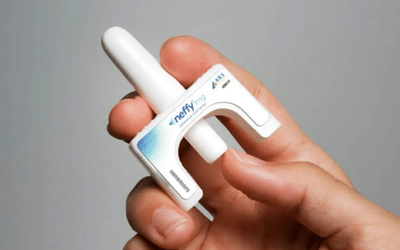
If you have been prescribed EURneffy® (epinephrine nasal spray), Anaphylaxis UK has developed an action guide to support its use in an emergency. The document should be completed by a suitably trained healthcare professional.

Sign Up For More Information

It is important to Allergy UK that we can engage with all people that are affected by allergic disease

Join our mailing list