Does my child have a cow's milk allergy?
Factsheet: This resource is designed to provide you with reliable and up-to-date information to help you better understand and manage Cow's Milk Allergy, ensuring the well-being of your little ones.
 Cow's Milk Protein Allergy (CMPA) | Allergy UK | National Charity
 Helpline01322 619898
Cow’s milk allergy (also known as cow’s milk protein allergy or CMPA) is an immune system response to proteins found in cow’s milk, primarily casein and whey. Unlike lactose intolerance, which involves the inability to digest lactose (milk sugar), CMA is an allergic reaction to specific proteins within the milk. Cows’ milk allergy, is one of the most common childhood food allergies and it is estimated to affect around 7% of babies under one, though most children grow out of it.
There are two types of cow’s milk allergy depending on how the immune system reacts.
Symptoms of CMA often start in the early weeks and months of life. There are many possible symptoms which may suggest your baby has a cow’s milk allergy. Allergic symptoms can affect one or more of the body’s systems, including the skin, digestive and, less commonly, breathing or blood circulation. Common symptoms of cow’s milk allergy include:
Allergic symptoms may be called mild, moderate, or severe. However, it is important to remember that many of the symptoms of delayed allergies, such as eczema, colic, reflux and diarrhoea are common in infants and milk allergy is only one of a number of possible causes.
In severe cases, cow’s milk allergy can lead to a life-threatening allergic reaction known as anaphylaxis, which requires immediate medical attention.
Factsheet: Does My Child Have a Cow’s Milk Allergy?
If you suspect your child has cow’s milk allergy do not delay in seeking advice from your GP or Health Visitor. They will listen to your concerns and take an allergy focused history (a series of questions to help decide if allergy is a possible cause of the symptoms). They will also be able to assess whether the symptoms may be due to milk allergy or if there is another cause.
Testing will only be discussed after a detailed allergy focused history has been taken. It will depend on the suspected type of cow’s milk allergy.
If immediate (IgE mediated) cow’s milk allergy is suspected your GP can arrange a referral to a children’s specialist allergy service for testing and further management. Usually the information from the allergy-focused history and the tests will be enough to confirm the diagnosis.
The referral process and waiting times to see a specialist will depend on where you live, and the allergy service and resources in your area. Allergy UK’s Helpline on 01322 619 898 can help signpost you to an approved NHS or Private allergy clinic. If you choose not to be seen through the NHS, you have the choice to pay to see a private allergy doctor. Whilst waiting for an NHS or private appointment, your GP or Healthcare Professional should advise you on the dietary changes that you will need to start immediately.
If delayed (non-IgE mediated) cow’s milk allergy is suspected, skin prick testing and/or blood tests are not helpful. The diagnosis for delayed allergy needs to be confirmed or excluded by starting a trial elimination of all cow’s milk protein; either from you baby’s diet in the case of a formula fed baby or from your own diet if you are exclusively breast feeding. Those babies who are formula fed need to be prescribed a special low allergy formula (called a hypoallergenic formula).
Factsheet: Testing and Diagnosing a Food Allergy
A cow’s milk free diet means avoiding the proteins in cow’s milk and avoiding milks from many other four-legged mammals as their milk proteins are so similar. Therefore, goat and sheep milks are not suitable alternatives for children suffering from cow’s milk allergy.
Breastfeeding: Breast feeding provides the best source of nutrition for your baby. Breast fed babies can react to milk proteins that are transferred in breast milk from the mother’s diet. If it is suspected that a baby is reacting to cow’s milk protein via breast milk, a mother may be advised to avoid cow’s milk and dairy products in their diet while breastfeeding. This involves a trial of up to six weeks to see if the baby’s symptoms improve.
Hypoallergenic formula: In babies who are solely infant formula fed or are given infant formula in addition to breast milk, the formula will need to be changed to a hypoallergenic (low allergy) infant formula. Extensively hydrolysed infant formulas still contain cow’s milk protein, but the proteins have been broken down into smaller pieces, so the immune system is less likely to identify them as harmful. Most infants with cow’s milk allergy will be able to tolerate these.
Amino acid formula: For those who still have symptoms on an extensively hydrolysed formula, an amino acid formula is required. This formula is not based on cow’s milk and the protein is completely broken down.’ The GP, health visitor or dietitian may make recommendations about these formulas which are available on prescription from the GP. This will take into account the baby/child’s age, how severe allergic reactions are, other allergic conditions or a family history of allergy and dietary needs.
It can be difficult to get a baby to accept a different formula and hypoallergenic formulas have a different taste and smell to ordinary infant formula. Most babies under three to four months of age will readily accept the change. For older babies and children who have delayed allergic reactions, it may help to gradually introduce it over a number of days, mixing it with their usual milk until they get used to it or, failing that, adding a drop of vanilla essence/extract (ensuring that this is alcohol free) to the bottle. You may notice during this change that your baby’s poo changes colour (dark green) and they may also poo less often. This is quite normal and is not a cause for concern.
Your GP is responsible for the diagnosis process and for providing ongoing care, with support from a dietitian for any confirmed mild-to-moderate type of delayed non-IgE mediated cow’s milk. They will usually advise referral of any suspected severe non IgE mediated and all suspected immediate onset IgE mediated milk allergy to a children’s specialist allergy service. However, whilst waiting for your appointment, you will need to either have an appropriate hypoallergenic formula prescribed for your baby with advice on how to avoid all cow’s milk and if weaning has started foods which contain cow’s milk.
Factsheet: Cows Milk Free Diet Information
If you are exclusively breast feeding you should be encouraged to continue to do so but also be advised to exclude all cow’s milk and cow’s milk products from your own diet.
Fortunately, most children will grow out of their cow’s milk allergy in early childhood. Until that happens, your GP or allergy specialist will work with you, usually with the supporting help of a dietitian, to ensure that your child remains healthy whilst excluding all forms of cow’s milk from their diet.
At the right time they will then discuss with you how you can begin to carefully introduce cow’s milk protein back into their diet, usually starting with certain milk products and then gradually building up to fresh cow’s milk.
A milk ladder can be used to help assist in the reintroduction of cow’s milk into your child’s diet. A milk ladder is a step-by-step approach to reintroducing cow’s milk into the diet for those diagnosed with cow’s milk allergy. The first step of the ladder starts with baked milk where the cow’s milk protein has been extensively heated such as in a biscuit. This changes the cow’s milk protein and is therefore less likely to cause an allergic reaction. The ladder then progresses through several stages to cooked milk, where the milk protein is cooked for less time, and then lastly to uncooked milk.
Cow’s milk is made up of three main ingredients – protein, sugar, and fat. In cow’s milk allergy, it is the proteins called casein and whey that usually cause the problem. However, the sugar (lactose) in milk can also cause symptoms in some. This is referred to as Lactose Intolerance. It is important to understand the difference between lactose intolerance and cow’s milk allergy and to be aware that the management of lactose intolerance is very different from that of cow’s milk allergy.
Factsheet: Lactose Intolerance
Factsheet: This resource is designed to provide you with reliable and up-to-date information to help you better understand and manage Cow's Milk Allergy, ensuring the well-being of your little ones.
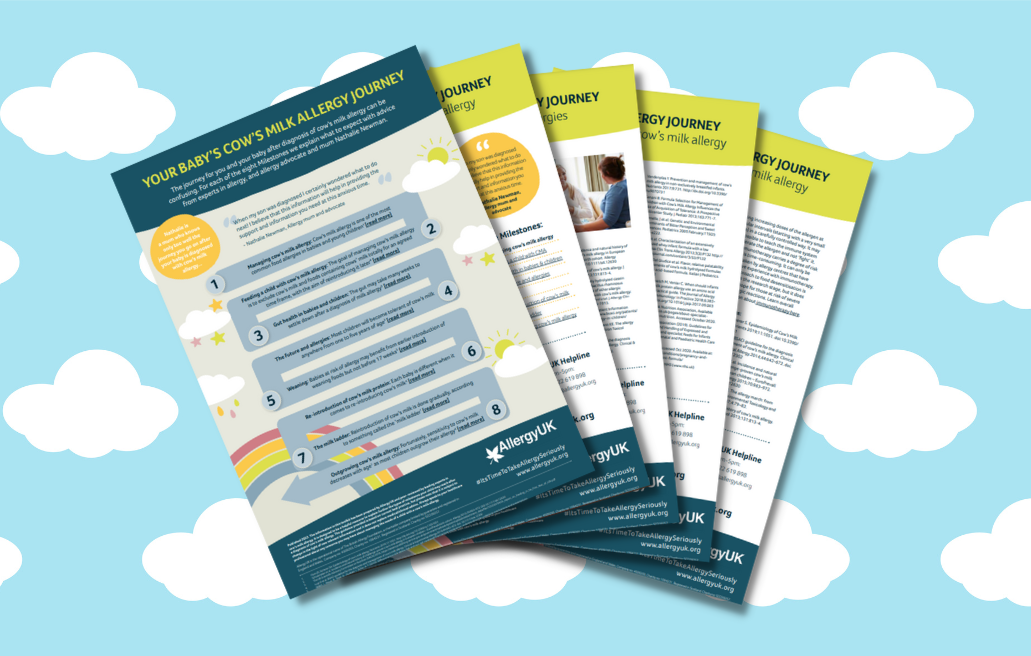
Booklet: This pack, designed as a roadmap, tackles the challenges of feeding and caring for children with cow’s milk allergy, step by step.
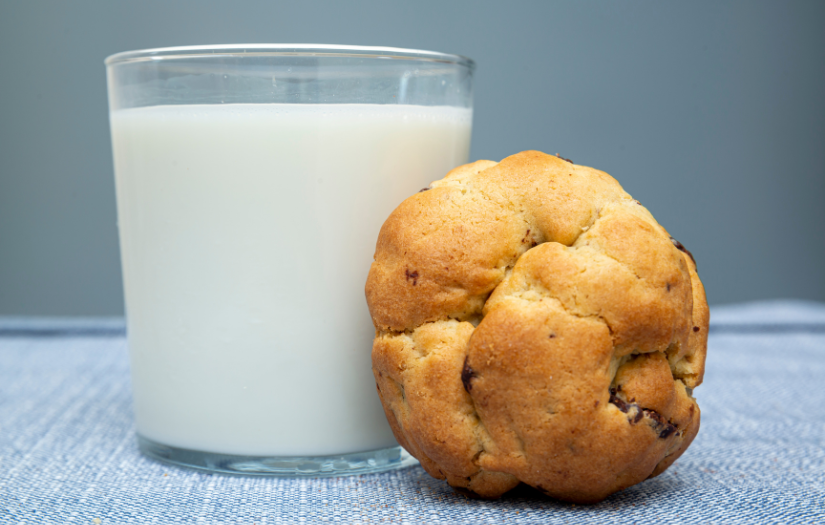
The milk ladder is a step-by-step approach to reintroducing cow’s milk into the diet for those diagnosed with cow’s milk allergy. It is intended for infants with non-IgE mediated (delayed) CMA.
Podcast: Clinical Dietetic Advisor, Laura Philips, is joined by acclaimed Paediatric Dietitian Lucy Upton, for a discussion which aims to inform parents on how to identify, diagnose and manage cow’s milk allergies when caring for their babies.
The primary management strategy for lactose intolerance is to reduce or eliminate the consumption of lactose-containing foods and beverages.

In a small number of people who do not outgrow their allergy to cow’s milk it will persist into adulthood. Where this happens, people are more likely to experience more severe allergic reactions.
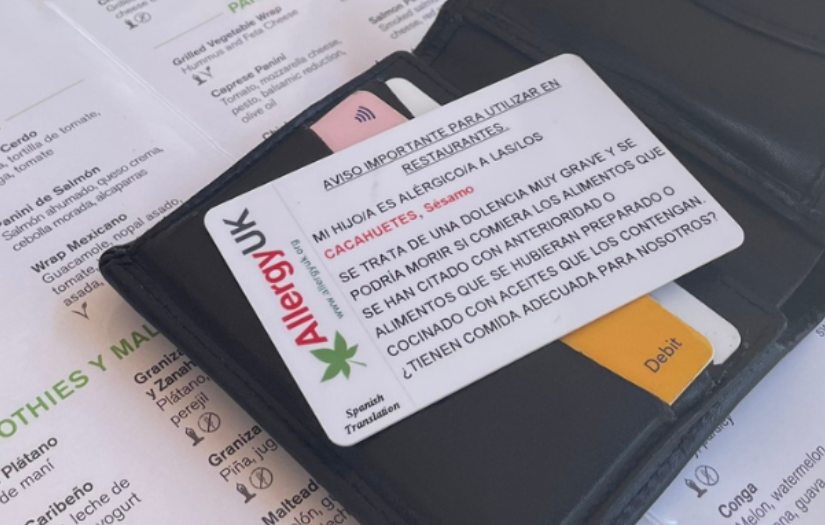
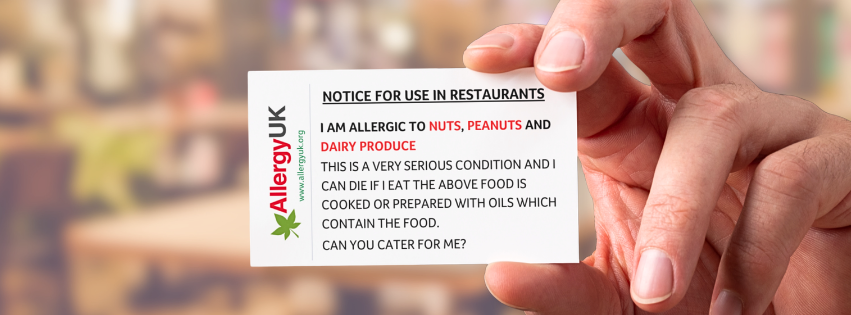


Allergy UK’s FREE Dietitian Service offers a one-off telephone appointment with a specialist allergy dietitian. The service supports people with suspected or diagnosed food allergies who are struggling to access appropriate allergy care or facing long waits for NHS appointments.

We know that being a parent isn’t easy at the best of times, so when you add a poorly baby with suspected allergy into the mix, we understand that family life can become complex and emotionally challenging. Allergy UK has developed a weaning support pack together with leading specialists and with the help of parents with food allergic children.
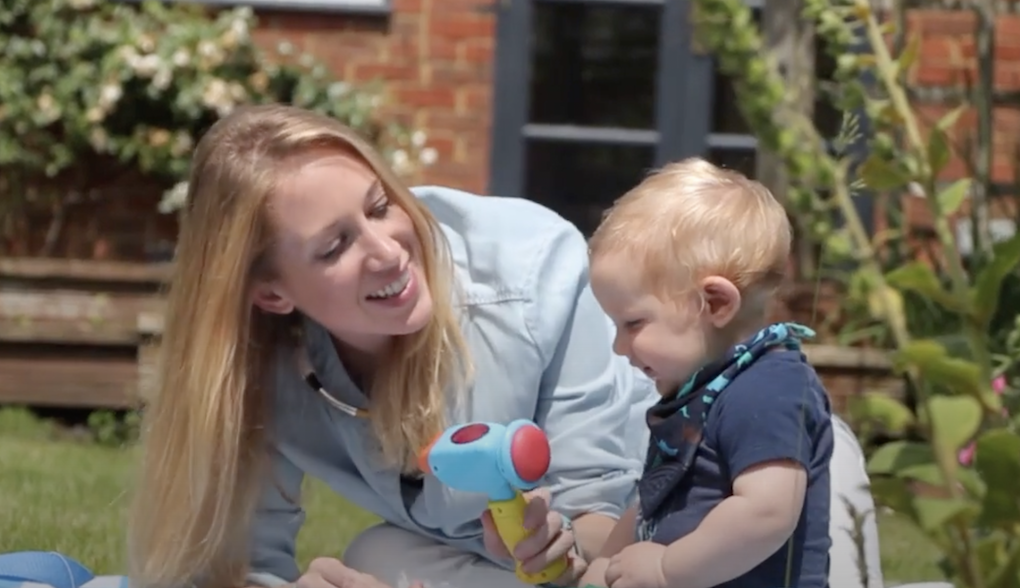
Kate found out that her firstborn, Eben, had a cow's milk allergy, after he suffered from a reaction following a few spoonful's of yoghurt. The experience was terrifying for new mum Kate.
It is important to Allergy UK that we can engage with all people that are affected by allergic disease
Join our mailing list