
 Helpline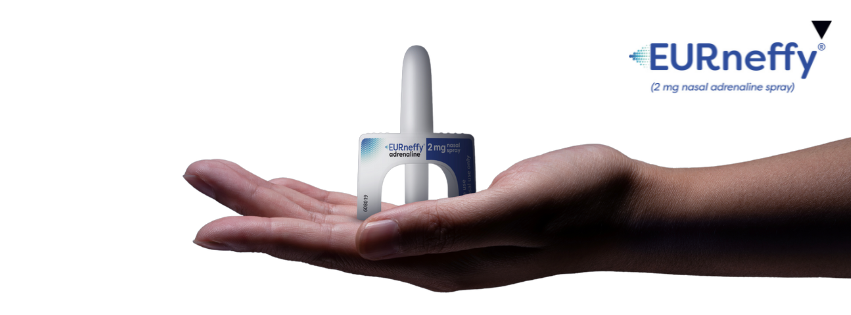
Patients in Wales gain access to needle-free nasal adrenaline spray
The needle-free adrenaline spray, EURneffy® (2 mg nasal adrenaline spray), has been given the go-ahead for the emergency treatment of severe allergic reactions including anaphylaxis across NHS Wales.
This follows the Licensed One Wales Medicines Assessment Group (LOWMAG) recommendation and applies to adults and children weighing 30 kg or more whose anaphylaxis is caused by insect stings or bites, foods, medicines or other allergens, as well as idiopathic (no known cause) or exercise-induced anaphylaxis.
It’s a non-invasive treatment option that provides rapid absorption of adrenaline through the nose and offers a needle-free alternative to traditional adrenaline auto-injectors (AAIs). It’s estimated that more than 20,000 people in Wales are eligible for nasal adrenaline spray.
Amena Warner, Head of Clinical Services, says, “Living with the risk of anaphylaxis can have a profound impact on everyday life. Many people and their families live with the knowledge that a severe allergic reaction can happen without warning, making it essential to always carry emergency medication and be prepared to act quickly. We welcome the availability of a needle-free adrenaline option in Wales, which provides people with greater choice in how they prepare for and manage an allergic emergency.”
Anaphylaxis is a severe emergency that requires immediate treatment. Adrenaline is the first-line treatment and should be given at the very first signs of a severe allergic reaction. It works quickly to open the airways by reducing swelling and helps raise blood pressure.
The smaller size and easier administration of nasal adrenaline spray, when compared to adrenaline auto-injectors, may reduce practical barriers to carrying and using emergency adrenaline for some people.
There are also potential advantages for adolescents reluctant to carry needles and for some people with needle phobia, neurodivergence or additional learning needs. Simpler administration may reduce hesitancy among parents, caregivers and school staff who may need to give emergency adrenaline.