Because the right knowledge at the right time can change the course of an allergy journey.

Knowing what to look for can help people make sense of theirs or their child’s symptoms, seek trusted information and take practical steps to manage the condition confidently and safely. This can include understanding how allergies can affect overall health and why early intervention is important in ensuring allergies are well managed. For example, around 25% of UK children have eczema, and research shows these children are more than twice as likely to develop asthma and hay fever, and almost five times more likely to develop food allergy.

For some communities, the barriers are even greater. Limited access to specialist services, a lack of awareness and stigma around allergy symptoms, and inequalities in healthcare mean that many people face long waits before receiving the help they need. Across the UK, fewer than 10% of children with food allergy are seen in a specialist allergy clinic.[i] During this time, people and families are often left to manage symptoms alone while waiting for referrals, tests or specialist care.

[i] Turner et al. Lancet Public Health. 2024;9(9):e664-e673. doi: 10.1016/S2468-2667(24)00163-4.

The facts...

Many people experience symptoms but do not receive a diagnosis or appropriate care:

  • Over 30%

    of adults report adverse reactions to foods, although only a proportion have confirmed allergy.

    (Food standards agency 2024)

  • Under 50%

    of those with previous food-anaphylaxis are prescribed adrenaline on a regular basis – this is more common in areas of socioeconomic deprivation

    (Turner et al. Lancet Public Health. 2024)

Allergy UK plays a vital role in filling this gap, providing trusted information, practical advice and support to help individuals understand their symptoms and manage their condition safely while they navigate the healthcare system.

Through the Allergy UK Self-Help Hub, people can access clear information about allergy symptoms, management and everyday living with an allergic disease. For many, this support is the first step in recognising that what they are experiencing may be an allergy and understanding what to do next.


Visit the Self-Help Hub

The facts...

Allergic conditions are common and interconnected, yet many people do not recognise the connections between symptoms:

  • Over 40%

    of patients with allergic rhinitis have asthma.

    Patients with rhinitis also have an increased risk of developing asthma. (Pawankar R, et al, 2013)

  • Over 80%

    of asthmatic patients suffer concomitant rhinitis.

    (Pawankar R, et al, 2013)

  • Around 25%

    of UK children have eczema.

    Children with eczema were over twice as likely to have asthma and hay fever, and almost five times more likely to have food allergy compared to children without eczema. (Chiesa Fuxench et al. J Am Acad Dermatol. 2024)

Early intervention and prevention can make a difference

Although food allergy prevalence has doubled since 2008, the number of new cases in younger children may be plateauing, perhaps due to new infant feeding advice for parents not to delay introducing potential food allergens (such as peanut) into their baby’s diet.[1] This may represent the nationwide impact of research into allergy prevention, alongside Allergy UK’s role in raising awareness among healthcare professionals and families to help prevent food allergy.

A large real-world cohort study found that the risk of developing asthma was significantly lower in patients with allergic rhinitis who received immunotherapy compared with those who did not.[2]  Studies also suggest that earlier immunotherapy in children may help mitigate the progression of allergic disease, including reducing medication use and severe exacerbations.[3]

In addition, studies show that early introduction of nuts and egg reduces the likelihood of developing allergies to these foods, and that effectively managing eczema in infancy reduces the likelihood of developing food allergies.[4]

[1] Turner et al. Lancet Public Health. 2024;9(9):e664-e673. doi: 10.1016/S2468-2667(24)00163-4.

[2] https://pubmed.ncbi.nlm.nih.gov/26371838/

[3] https://pubmed.ncbi.nlm.nih.gov/41031547

[4] AAAAI Summary of the PACI Trial (2023). British Association of Dermatologists & BSPAD Patient Information Leaflet (2024) 

Your stories

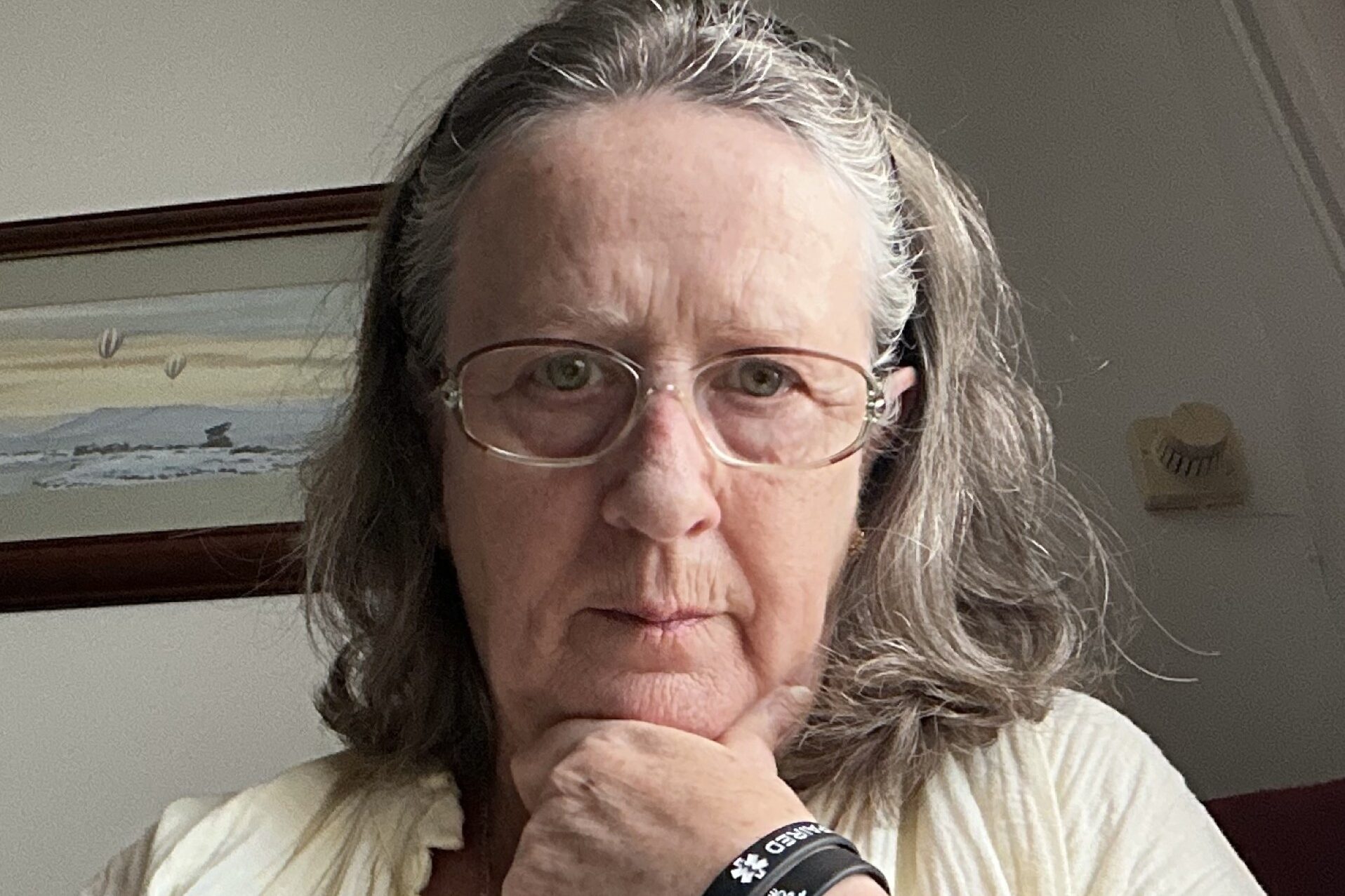
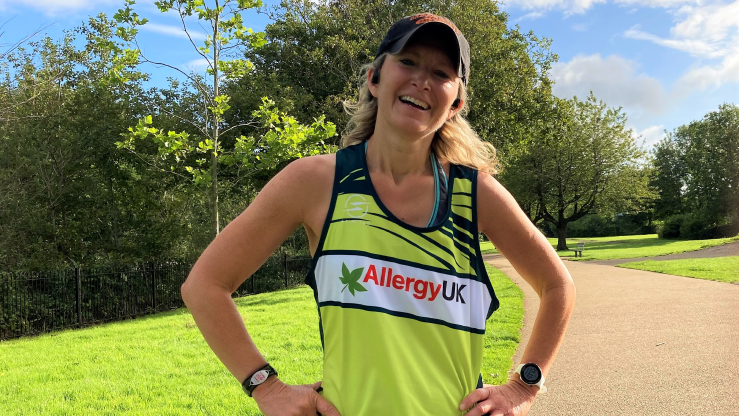
We are sharing the stories of people who wish they had understood the signs of allergy sooner. Many describe years of unexplained symptoms, repeated GP visits, or managing their condition without clear answers. Their experiences reflect a wider issue: allergy remains widely misunderstood and often under-recognised and under-diagnosed.

Sign Up For More Information

It is important to Allergy UK that we can engage with all people that are affected by allergic disease

Join our mailing list