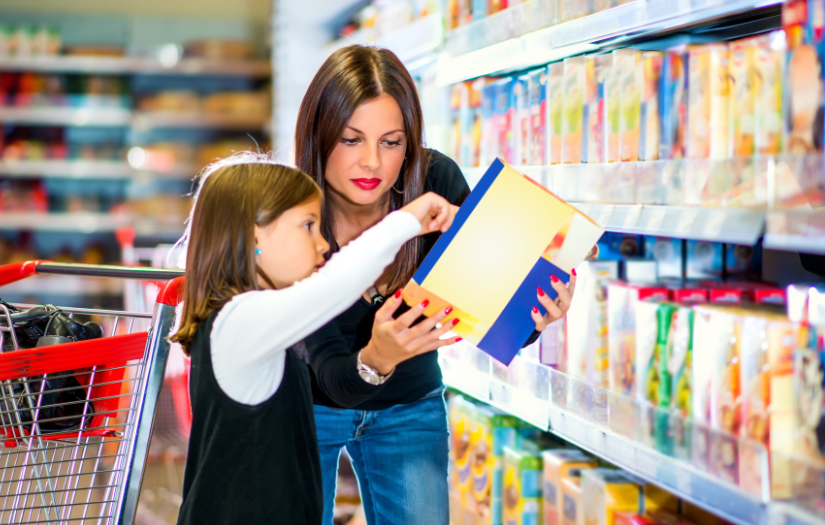
Understanding food allergy labelling

Helping you navigate the complexity of ingredient labelling when living with an allergy

Living with a food allergy requires daily vigilance and detective work. Carefully checking and understanding ingredient labels is essential to help avoid food allergens and keep yourself or your loved ones safe from a potentially severe allergic reaction.

Ingredient labels are the lists of ingredients displayed on food products. While there are legal requirements around how allergens must be highlighted, labels can still be difficult to interpret at a glance, especially when information is hard to find on packaging or precautionary statements like “may contain” are worded differently.

We provide a range of resources to help you navigate ingredient labels with confidence and make safer choices for you and your family.

Resources

Food Labelling Factsheet

Food Labelling Factsheet

This downloadable factsheet explains how allergens are identified in ingredient lists, what precautionary statements like “may contain” mean, and how UK labelling laws aim to keep people with allergies safe. Whether you’re newly diagnosed or managing allergies long-term, this guide offers clear, practical advice to support safer food choices every day.
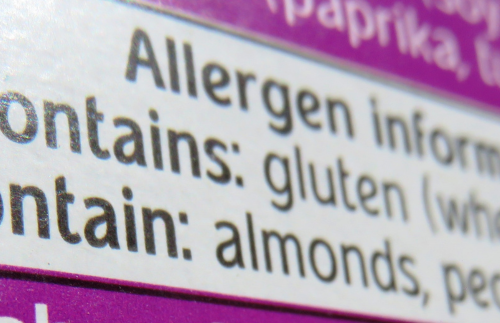
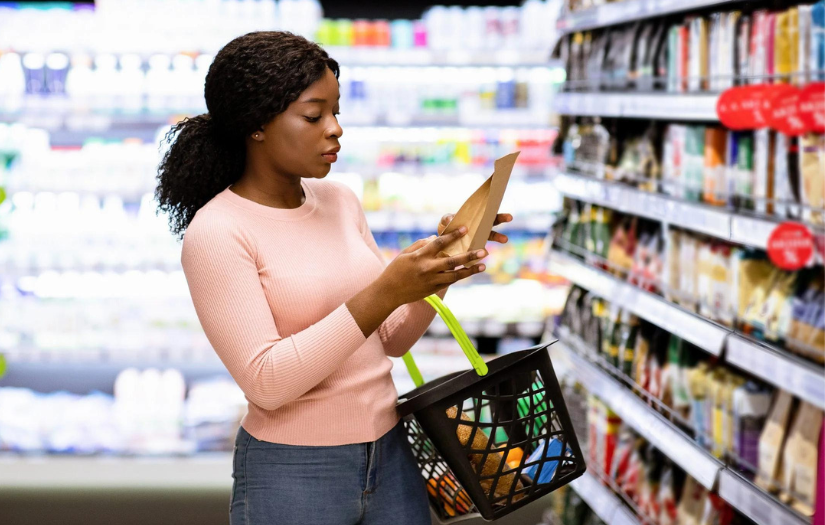
Decoding Food Allergy Labelling Leaflet

Decoding Food Allergy Labelling Leaflet

Designed to help you confidently navigate the often confusing world of food allergy labelling, this resource breaks down what different terms really mean. From vegan, free-from, to may contain, it explains how allergens are identified on packaging, including hidden ingredients and precautionary warnings.

Shopping and Cooking for a Restricted Diet

Shopping and Cooking for a Restricted Diet

Written to support you in making safer, more confident food choices when shopping with a food allergy, this factsheet offers practical guidance on using supermarket “free-from” lists, understanding where to find suitable products, and why it’s essential to always double-check ingredient labels. With helpful tips and real-world advice, this guide aims to make everyday food shopping simpler, safer, and less overwhelming.

News: Parents urged to check labels carefully this Easter

News: Parents urged to check labels carefully this Easter

Seasonal treats such as chocolate eggs, biscuits, cereal-based snacks and nut products are among those more commonly at risk of cross-contamination. Some people with a severe food allergy may need to avoid products carrying these warnings, based on advice from their healthcare professional.

What is a Food Allergy?

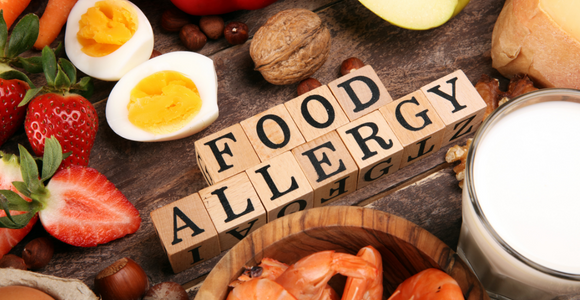
Discover insights into managing food allergies, from identifying common allergens to navigating food labels. Learn about the symptoms, treatment options, and practical tips for living safely with food allergies. Explore our comprehensive resources tailored to individuals with food allergies and their families.

Explore more about food allergies

The Top 14 Allergens

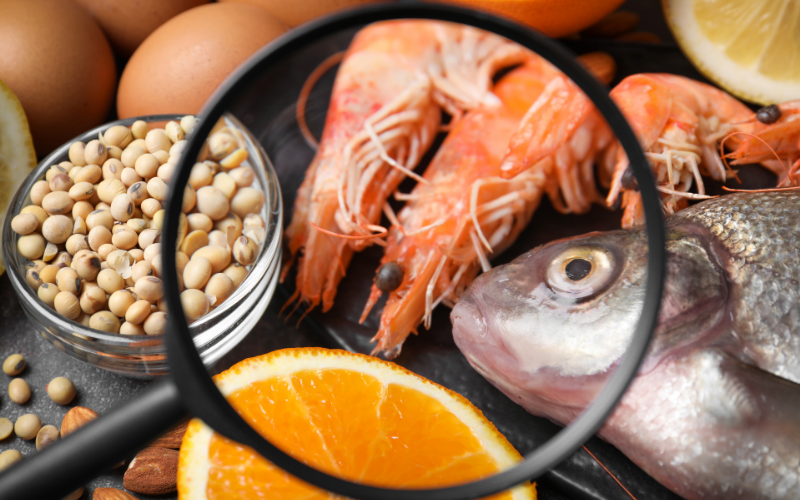
The ‘top 14’ allergens are celery, cereals containing gluten, crustaceans, eggs, fish, lupin, milk, molluscs, mustard, tree nuts, peanuts, sesame, soya and sulphur dioxide (sometimes known as sulphites).

Find out more

Allergen Translation Cards

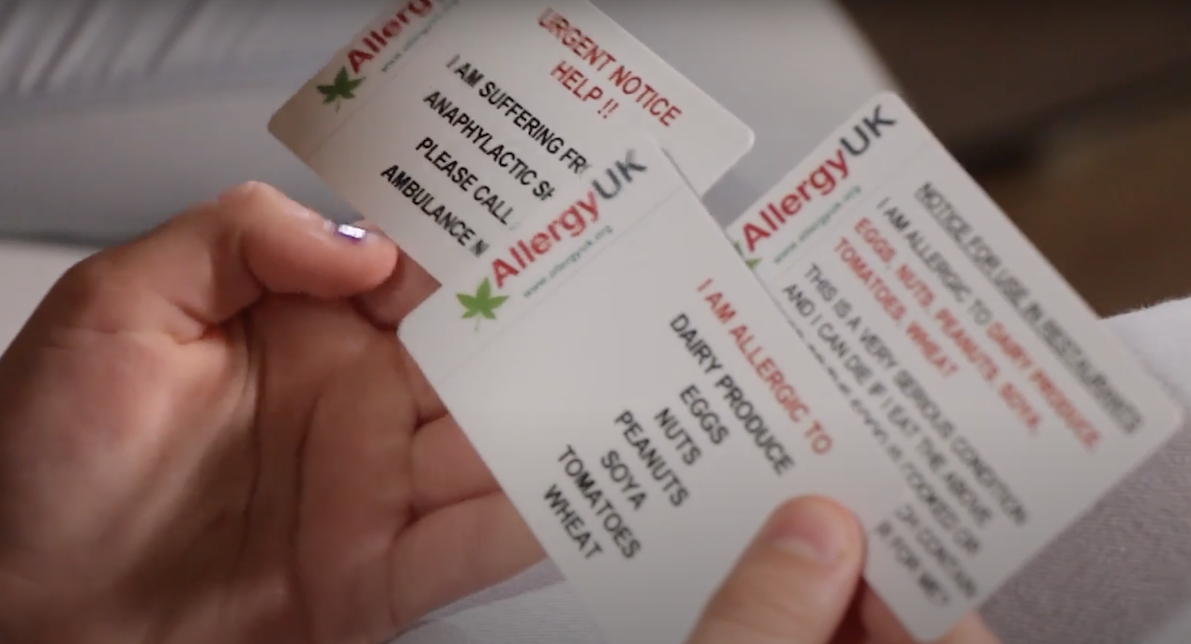
Translation cards are available from Allergy UK and will ensure others are made aware of your allergy despite any language barriers. The cards are printed in English on one side and the language of the country you are visiting on the reverse side.

Order yours here

Rex's story

"...When mum looked at the packaging on the hot cross buns, it turned out the glazing contained pea protein – causing the allergic reaction. My dad said: ‘What is pea protein doing in a hot cross bun?..."

Read Rex's story

Sign Up For More Information

It is important to Allergy UK that we can engage with all people that are affected by allergic disease

Join our mailing list