
 Helpline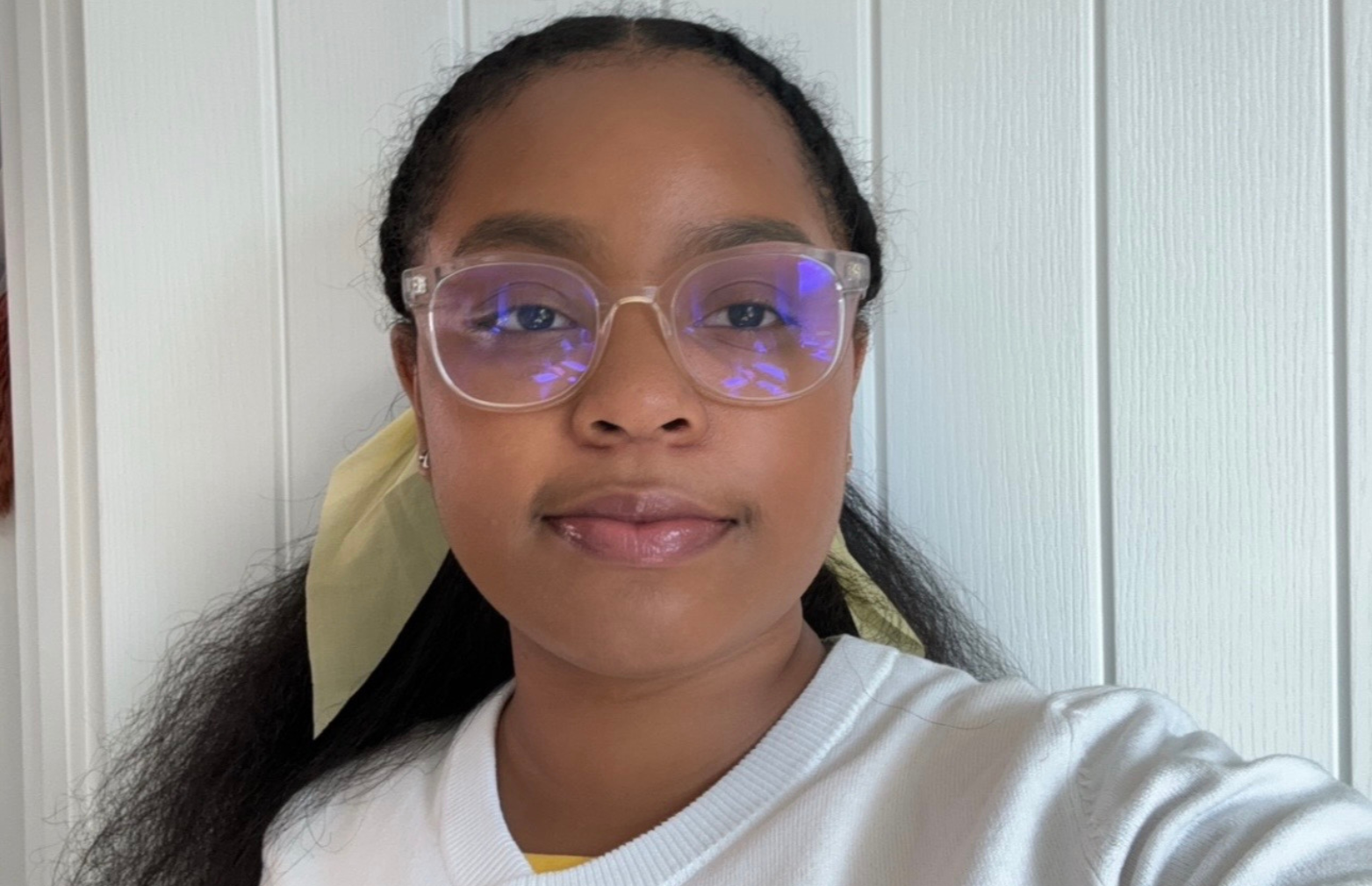
Racine's story
Racine, aged 23, lives in Kent and is a paediatric intensive and critical care nurse.
Racine has multiple allergies to food and non-food items including nuts, fruits, dairy, eggs, fish, seeds, house dust mites, moulds, pollen and penicillin.*
“My allergies started after my mum stopped breastfeeding me. I reacted to every formula she tried. I was prescribed different milks by the GP but was still allergic to them and, eventually, I started drinking rice milk when I was old enough.
I had a severe anaphylactic shock to cod when I was three. I couldn’t talk, turned blue and purple and had significant swelling. I was referred to the Evelina London allergy team for testing in 2006/2007 and also to the asthma team and diagnosed with severe asthma. I had allergy tests every year until I was 16. I’ve only grown out of three allergies and, over the years, I’ve become allergic to more things. I’ve suffered from allergic rhinitis from a young age, with puffy, itchy eyes and nose, especially in summer.
Coping with allergies has been a long journey. When I was younger, it was difficult for my family at first, but they eventually adapted. School was challenging because people didn’t always take my allergies seriously, especially the airborne ones. I was bullied because of allergies and asthma, which was hard. I avoided public transport unless someone was with me. When I learnt to drive, I finally had some independence. I mostly eat home‑cooked meals, as there aren’t many places I can eat out safely.
Being a teenager and then an adult was socially challenging. I couldn’t just go anywhere with friends; everything had to be planned and I always had to ask what food would be available for me. I was hardly invited places and sometimes people would say, ‘I knew you couldn’t come anyway because of the food.’
As an adult, I’m used to managing my allergies. I know what I can and can’t have and how to deal with my reactions. There are still challenges, but my childhood and teen years were definitely harder. Holidays required a lot of planning. I’m grateful that I now work in an environment where everyone understands allergies and anaphylaxis and knows how to help me if something happens. I always carry my two EpiPens, inhalers and antihistamines.
In terms of medical intervention, in 2018 I started a biologic called Omalizumab (Xolair), which helped enormously with my allergies and asthma. It made my reactions less severe and I even grew out of my egg allergy while on it. I was on this treatment – four injections every two weeks – for five years.
My consultants decided to see how I managed without it and I became allergic to egg again. I’m now back on another injection, but this time just for my asthma. I’ve had many hospital visits for both allergies and asthma. I’ve been in Resus. I’ve used my EpiPens and been taken to hospital by ambulance many times.
There have been high and low points in my medical care. A high point was the treatment I received from the paediatric allergy team. A low point was the shock of transferring to adult allergy services and not receiving the same level of care. I’m discharged from adult allergy having been told that nothing much will change and I should continue as I am.
Another low point was for my mum, who struggled to get me referred for allergy testing when I was a child. Overall, I’ve been fortunate that most of the doctors and nurses in paediatrics were amazing. The adult teams are good too, but it took time to adjust to how they work.
As a young adult and a healthcare professional myself, I’m now more confident in dealing with medical professionals.
*Racine’s allergies
Foods:
- Peanuts – airborne
- All nuts
- All fish except tin tuna and cod and seabass – airborne
- Shellfish and seafood – airborne
- Egg
- Dairy
- Raspberry, blueberry, strawberry, blackberry, cherry, kiwi, coconut, bananas
- Cocoa
- Sesame, mustard seed and other seeds: orange seed, melon seed, sunflower seeds, poppy seeds, pumpkin seeds etc.
- Lupin flour
- Rhubarb
- Sumac
- Tomato (uncooked)
Non food items:
- House dust mites
- Mould
- Grass and tree pollen
- Alternaria
- Wasp and bee stings
- Wool
- Penicillin
- Nickel
- Animal hairs