
 Helpline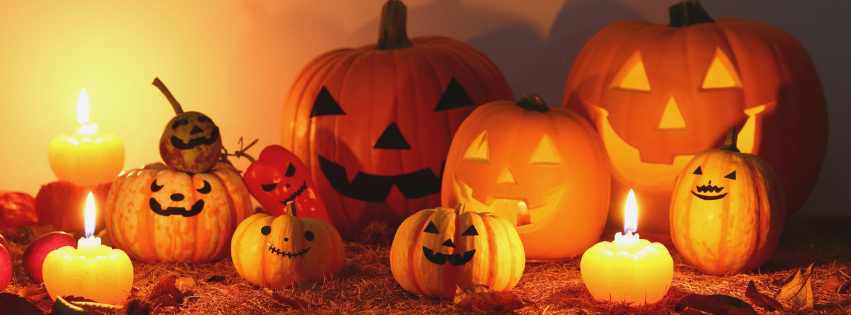
The allergy friendly host
Hosting a party can be a lot of fun and a bit of pre-planning can go a long way in making it a success. The secret to a good party is to help everyone feel at ease and included.
For guests with food allergies, worry that their condition will not be taken into consideration often stops them from joining social events. However, if you are hosting, a few simple steps can help those with food allergies feel safer and included without impacting the needs of other guests. Avoid spooking your guests with these handy tips.
- Check in advance about any allergies and take on board any extra information your guest may share around their allergy. If a food needs to be avoided completely, please believe them when they tell you! Even a tiny amount of a food someone is allergic to, can have serious consequences.
- When planning what food to serve, it is better to eliminate the food from everything that is being served altogether. Alternatively, a selection of different dish choices which eliminate the allergen is more inclusive than creating a bespoke dish exclusively for the guest with allergies. This also reduces potential cross contamination risks, when preparing dishes for other guests.
- If eliminating the allergen is too tricky, share your planned menu with the guest in advance. In this way, the guest has an option of seeking out similar free-from foods to what is being served at the party and bring their own plate of safe foods with them.
- Try and avoid serving too many home-made foods because of the risk of cross-contamination in their preparation. Pre-prepared foods with clear labelling are safer.
- Keep the packaging of any prebought foods that are being served so the guest (or in the case of a child, the parent) can check the labelling.
- If you are going to be playing games, avoid any which involve food where there also may be a risk of any cross contamination e.g., Apple Bobbing, Pinatas, eating challenges, food lucky dips. Even entertainment involving decorating foods such as pumpkin carving can present a challenge. Best to avoid any games or entertainment that is reliant on foods.
- Think about the drinks you serve too. Those which have been homemade, such as punches and homemade cocktails (virgin or otherwise) are at higher risk. Safer to go for pre-mixed drinks and if possible, single portion sizes too.
- Have a conversation with the guest before the party to understand their allergy needs, emergency medication and AAI (Auto Adrenaline Injectors) requirements, how to administer medications and contact details in the event of an emergency. Do not do it on the day of the party when you are more likely to be busy and distracted. It may help to write down the information or invite your guest to provide it in a written format for you.
Steps for a spooky not stressful Halloween
Each year it feels like Halloween is starting earlier and becoming more and more celebrated. Without a doubt the thrill of treats, dressing up, ghoulish pranks and the community spirit that it whips up makes it a fun event for the whole family to enjoy. But for parents of children with allergies, and especially food allergies, it is a date in the calendar which spooks in all the wrong ways.
Whilst some parents may feel that a better to be safe than sorry approach is the order of the day (and of course, that’s ok too!), others may choose to get involved but in a safe way. Here’s a round-up of precautions parents can take to enable children to enjoy Halloween and reduce the risk presented by an allergy.
Switch Witching
For younger children, a popular solution to the trick or treat pile-in that can sometimes happen at a door is to allow children to take whichever wrapped sweets they choose but then agree that none are to be eaten until they get home. That way there is a chance to check for allergens in a calm, well-lit environment. It is also a good idea to have a stash of safe treats at home that you can switch out with those which are not safe to eat because of allergy risks.
Safe House Routes
If you would rather avoid swapping out treats. Another way trick-or-treating stress can be reduced is to plot a safe route for houses to visit. Speak with friends, family, and neighbours in advance to find out if they are planning to celebrate the occasion with trick-or-treating. If they are, why not ask them if they would consider including some safe options for your child to enjoy? They may appreciate the guidance on what sweets are safe to include and what to avoid including and doing. Our. Treats No Tricks’ alert card makes this light work. Download and complete it with your relevant information to share with the homes you plan to visit. You can also hand one to your child too.
In addition, Local neighbourhood app Nextdoor has once again launched its Treat Map. The Nextdoor Treat Map is an easy way to see what houses are taking part in Halloween in your local area. New for this year is a feature which allows people to pin an allergy free icon on the map to identify their home as one which is more mindful of the treats they are giving out and that available with free from sweets and goodies offered. Typically, friends and family homes are always a safer option. Notwithstanding, always check, check, and check again before any treats are consumed, even if you’ve gone to homes which are allergy aware.
Set some ground rules before trick-or-treating or going to a party
As children get older in primary school and during the early years of secondary school, it is common for there to be a desire to trick-or-treat with friends without close parental supervision. If you feel this is something you are happy to allow, it is useful to set some ground rules. These might include:
- No eating of treats until getting home
- Hands to be washed before eating any foods
- Choose treats that are wrapped
- Never accept homemade treats
- Carry an AAI pen at all times
- Emergency contact details for the child/teen should always be carried on their person such as a card in a wallet, medical bracelet or lanyard around their neck under a costume
- Ensure those with whom you are trick-or-treating, are aware of your allergies and that someone within the group is first aid aware
- A negotiated supervision distance. For example, rather than being present on the doorstep, you may negotiate to be a few doors back or on the same road.
7 Allergy Sins
At Halloween, children love to dress up and haunt their neighbourhoods trick-or-treating. For parents of children with food allergies this spooky celebration can be trickier than treaty, but it doesn’t need to be that way. For a fright free Halloween, be aware of these 7 watchouts…
- Labelling considerations – Mini versions of sweet treats may contain different ingredients than their full-size counterparts. They may also not have ingredients on the individual treats as they may come in bigger bags. Make sure to double-check! Check every label, every time.
- Common ingredients to watch out for. Many of the top 14 allergens are in high circulation during Halloween: milk, soya, wheat, eggs, peanuts, and tree nuts. They are used in most chocolates and even sweets. It’s important to be aware of any hidden allergens, with some sweets, lollipops and fruit chews containing nuts or sweets and are often manufactured with the same equipment as other sweet treats.
- Cross contamination risk with homemade treats. Watch out for homemade treats or confectionaries that are not wrapped. There could be cross-contamination risks with homemade treats such as cupcakes and brownies, with small amounts of an allergen invertedly being transferred into the food. Have a conversation with your child to politely turn down treats that are loose/homemade.
- May contain concerns. Watch out for homemade treats or confectionaries that are not wrapped. There could be cross-contamination risks with homemade treats such as cupcakes and brownies, with small amounts of an allergen invertedly being transferred into the food. Have a conversation with your child to politely turn down treats that are loose/homemade.
- Costumes and decorations. If your child also has a house dust mite allergy be sure to wash all costumes, decorations and toys to remove any house dust mites/dust they may have collected whilst in the loft/cupboard from last year. In addition, latex can feature in costumes too, especially the large hood type masks. If the costume is imported, it may not have clear labelling. Those with skin allergies may react to the metallics and ingredients such as milk, which can be found in face paints, false nail, and eyelash adhesives. Smoke machines can also present issues for anyone with asthma and pumpkin carving can also trigger an allergic response on the skin due to birch pollens.
- Treats from abroad. With the summer holidays finally over, people may have brought back some treats from abroad to hand out this Halloween. While this can be a nice opportunity to try new items, it can be a potential risk for children with allergies. The labels will be in a different language, therefore harder to tell which allergens are in each treat and even those in the same language present a risk if they’re from the USA, where they have different allergen labelling requirements to those in the UK. Even a product with the same name globally such as Coca Cola, may have different local recipes and ingredients that vary to the version which is typically sold in the UK.
- Celebrating Halloween at school. Halloween falls in term time this year. Check with your child’s school in advance to see if they are planning any Halloween activities and check to see if they are safe for your child.
Allergy Awareness Halloween Logo
Cut out the logo and place it in your window to show others that your house is allergy aware.
Allergy Aware Neighbour Cards
Cut out cards and fill them in with your allergen information and deliver to your neighbours.